
OIL SPILL RESPONSE & MITIGATION PLANNING
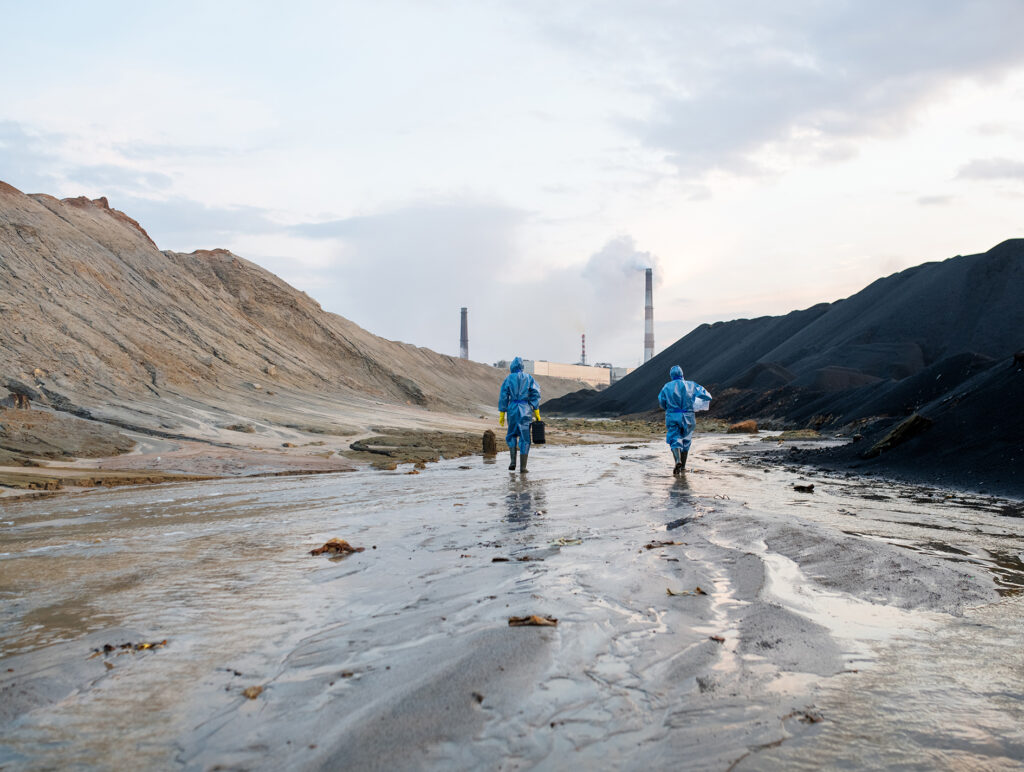
In an ever-changing world, the threat of wars, terror, sabotage, and operational damage to oil installations and refineries is real and a major concern.
Emergency mitigation readiness preparation is critical for clients to minimise risks. Our comprehensive bespoke oil spill response and mitigation services are designed to assist clients in minimising their environmental impact and ensuring the safety of operations.
Commitment to Environmental Protection
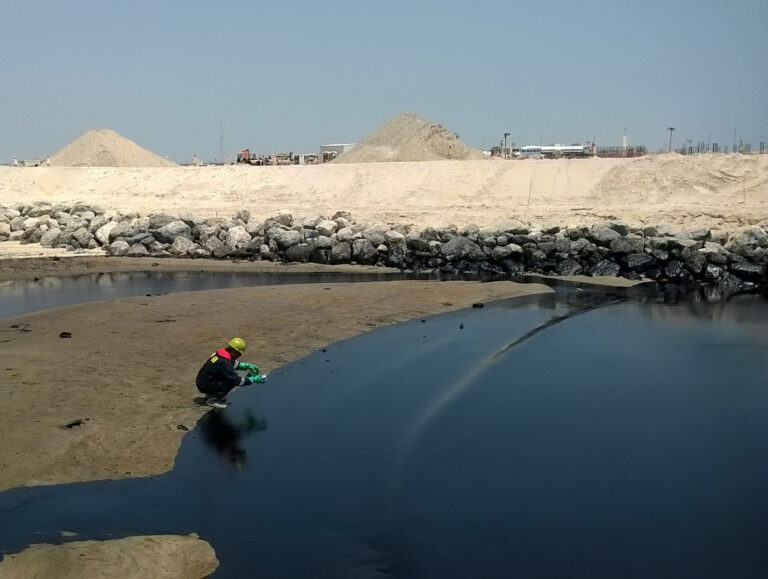
Oil spills have long-lasting damaging impacts on marine ecosystems, killing marine fish, plankton, mammals, plants, and birds.
Contamination costs to beaches, wildlife, and wider coastal areas can be long-term and devastating.
Clean-up operations and operational financial costs, along with reputational damage, are risks that must be minimised accordingly.
At EHS Global, we understand the critical importance of prevention management and responding swiftly and effectively to oil spills.
Why Choose EHS Global
We utilise the latest advanced technology, equipment and techniques to ensure efficient and effective prevention controls and emergency response planning. Our experience spans a variety of environments and spill scenarios, allowing us to tailor our clients’ approach to each unique situation,
Our expert professional teams have successfully implemented oil spill response and mitigation management plans. And are experienced in the management of unplanned large scale oil spill incidents, safeguarding the environment and minimising damage from oil spills in diverse environments, including:
- Marine Environments: Open sea, coastal areas, and harbours.
- Freshwater Environments: Rivers, lakes, and wetlands.
- Terrestrial Environments: Shorelines, beaches, and estuaries.
Through our prevention strategies, and handling of oil and chemical spills of various scales, and knowledge of state-of-the-art technology and proven standards, EHS Global is best placed to support and advise client operational management teams in all aspects of oils spill prevention and emergency preparations.
EHS Global Team(s) Profile
- Certified Professionals: Our team members consist of certified experts in environmental science, marine biology, safety and emergency response.
- Continuous Personal Development Training: We invest in continuous training and professional development to ensure our team stays up to date with the latest techniques and technologies.
- Collaboration: We collaborate with local, national, and international organisations to enhance our client response capabilities and share best practices.
EHS Global Experience
With years of hands-on experience in oil spill prevention, response and mitigation management, our teams have successfully managed numerous incidents, safeguarded the environment and minimised damage around the globe.
Experience with Major Oil Spills: Our teams have responded to significant oil spills of up to 170,000 barrels, where we faced complex challenges and successfully implemented containment and recovery measures. Our rapid response and effective mitigation strategies helped our clients minimise environmental damage.
Collaboration with Authorities and Organisations: We work closely with clients, local, national, and international authorities, as well as environmental organisations, to ensure co-ordinated transparent and effective responses.
Our services
At EHS Global, we recognise that oil spill contamination is a significant concern for our clients' companies and the countries in which they operate worldwide.
EHS Global is committed to protecting the environment and supporting our clients and partners by minimising the impact of oil spills, supporting stakeholders' interests and implementing industry best standard practices.
- Risk Assessment: Identifying potential sources of oil spills and assessing the likelihood and impact of such incidents.
- Emergency Planning: Developing response plans that outline procedures, resources, and responsibilities in the event of an oil spill.
- Training & Emergency Drills: Regular training and simulation exercises for response teams to ensure preparedness and co-ordination action during actual incidents.
- Regulatory Compliance: Adhering to national and international regulations and guidelines for oil spill prevention and response.
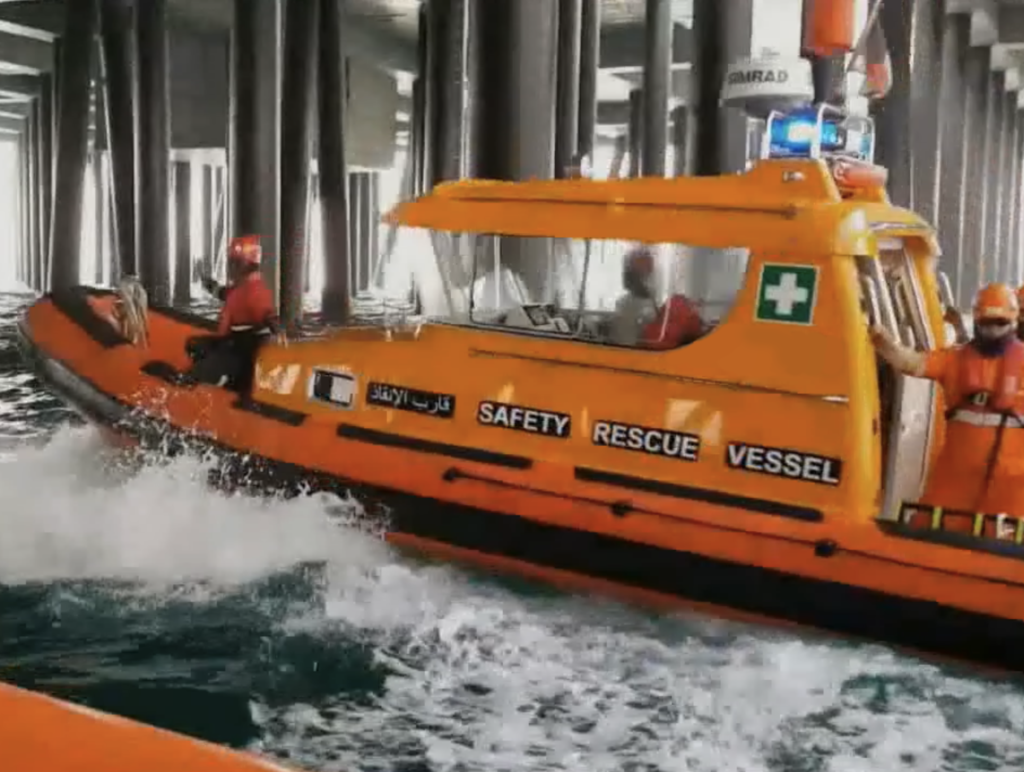
EHS Global marine safety and security specialists can support your company with the development and preparation of bespoke Marine Safety and Security Management Systems and Plans.
- Strategy
- Marine Environmental Impact Assessment
- Shoreline Environmental Impact Assessment
- Sensitivity Mapping for Oil Spill Response
- Site Diagrams & GIS Plans
- Surveillance and Modelling
- Oil Spill Mitigation Planning
- Safe Storage Procedures
- Safety Inspections, Audits & Compliance Reviews
- Initial Response Action Planning
- Response Techniques
- Notification Arrangements
- Roles and Responsibilities (stakeholder engagement & understanding)
- Management Training - Oil Spill Prevention & Incident Response
- Emergency Preparations & Readiness
- Oiled Wildlife Planning & Mitigation Arrangements
- Clean-up & Recovery Planning
- At-Sea Containment & Recovery Planning
- Onshore Containment & Recovery Planning
- Dispersants Control - Surface & Subsea Applications
- Waste Recovery & Recycling
- Incident Investigation & Data Collection
- Effective Communication Reporting & Update Preparations
- Stakeholder Engagement & Media Preparation Planning
- Marine Environmental Impact Assessment
- Shoreline Environmental Impact Assessment
- Economic Assessment & Compensation Planning
- Booms: Selecting and mobilising emergency floating barriers that contain and prevent the spread of oil on the water's surface.
- Skimmers: Devices development methods that remove oil from the water's surface.
- Sorbents: Materials section assessments that adsorb oil.
- Dispersants: Chemicals sprayed on oil spills to break down the oil into smaller droplets, promoting natural degradation.
- Bioremediation: The use of microorganisms or biological agents to break down or remove oil from the environment.
- Solidifiers: Agents that solidify oil, making it easier to collect and remove.